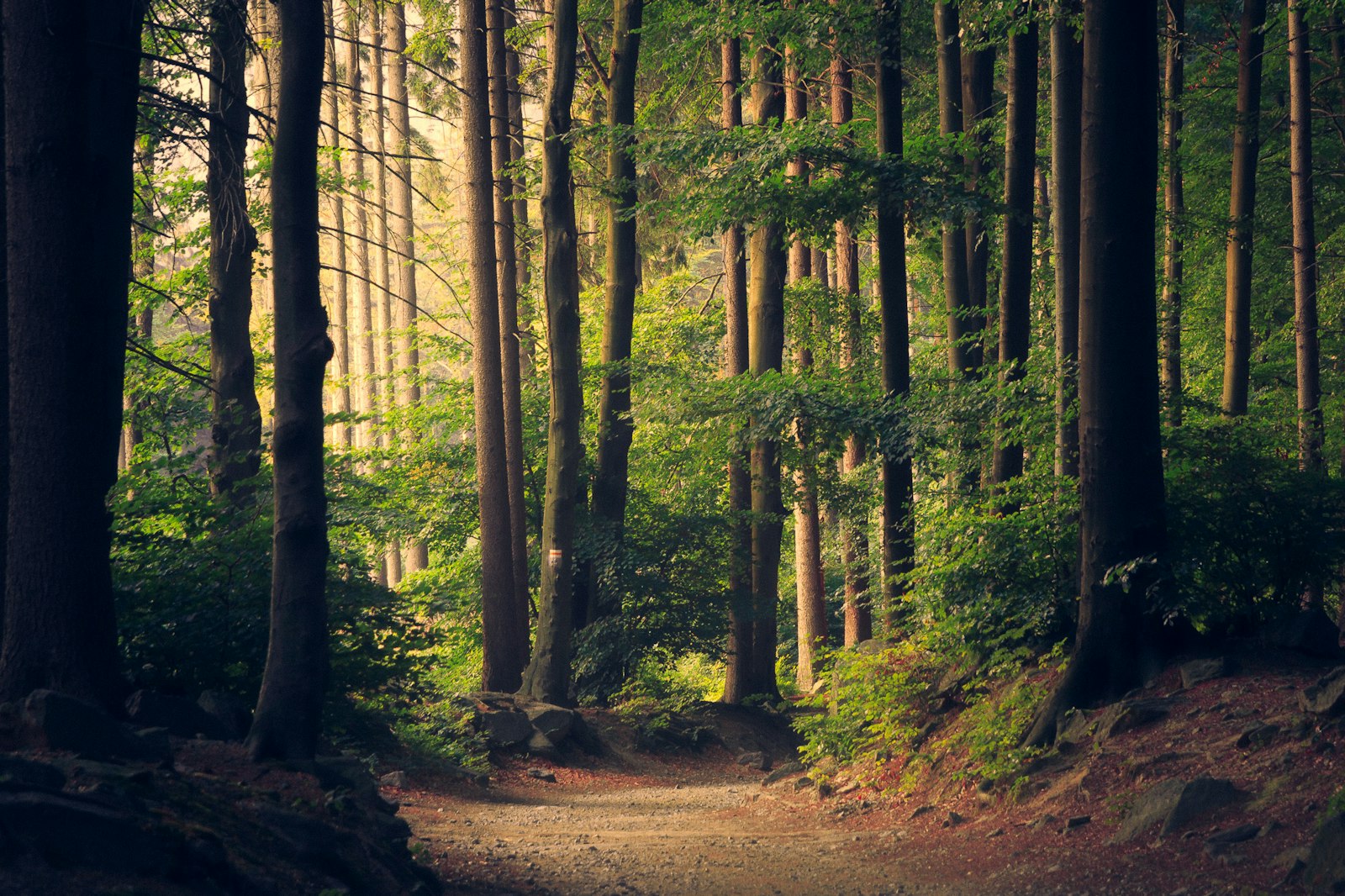
Tree and garden lighting
Tree and Garden Lighting in Sacramento
A tree is bark, a fork, and a canopy that thickens and thins through the year. A garden bed is stems, leaf mass, and empty ground. Lighting that treats every plant as a generic “accent” flattens both.
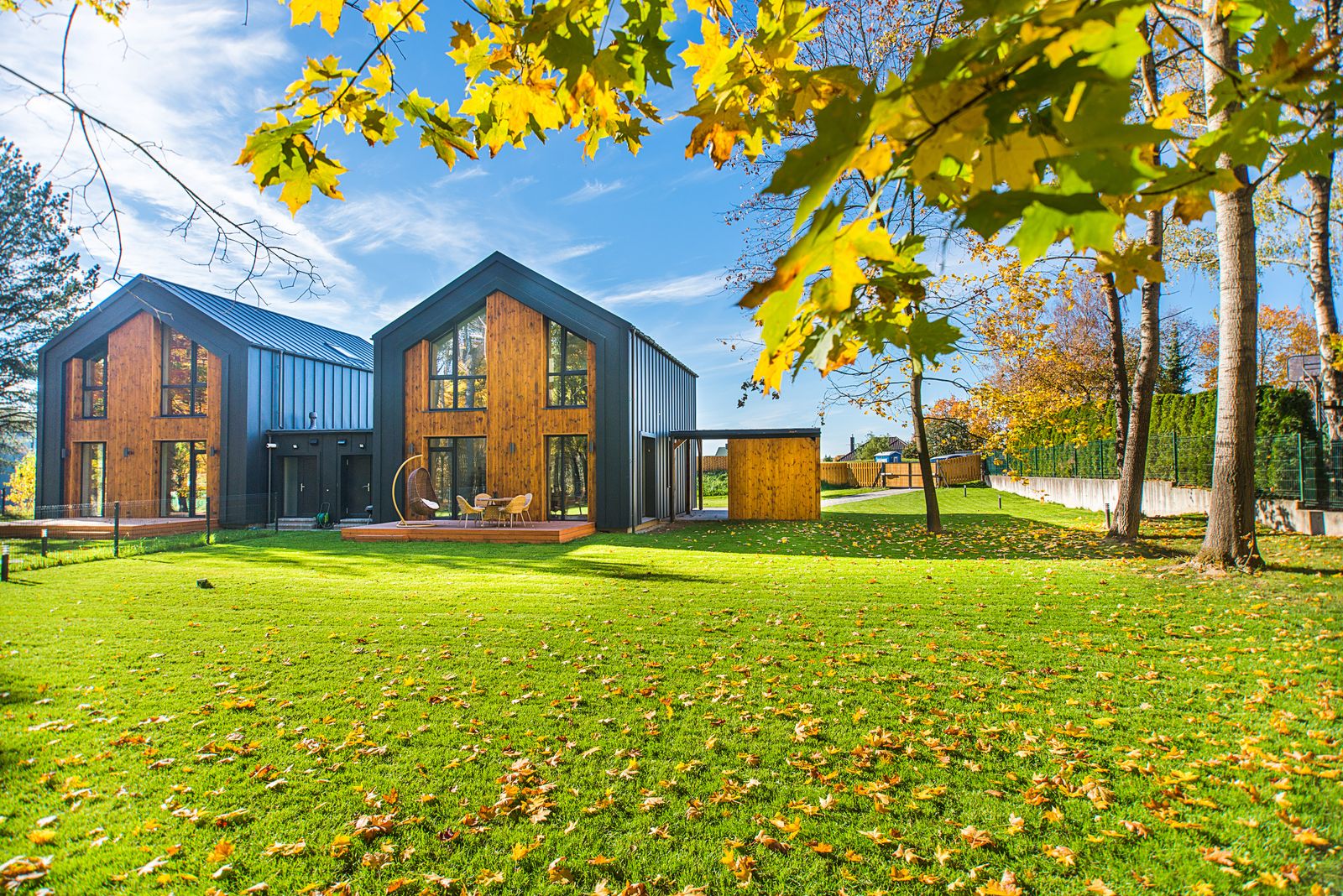
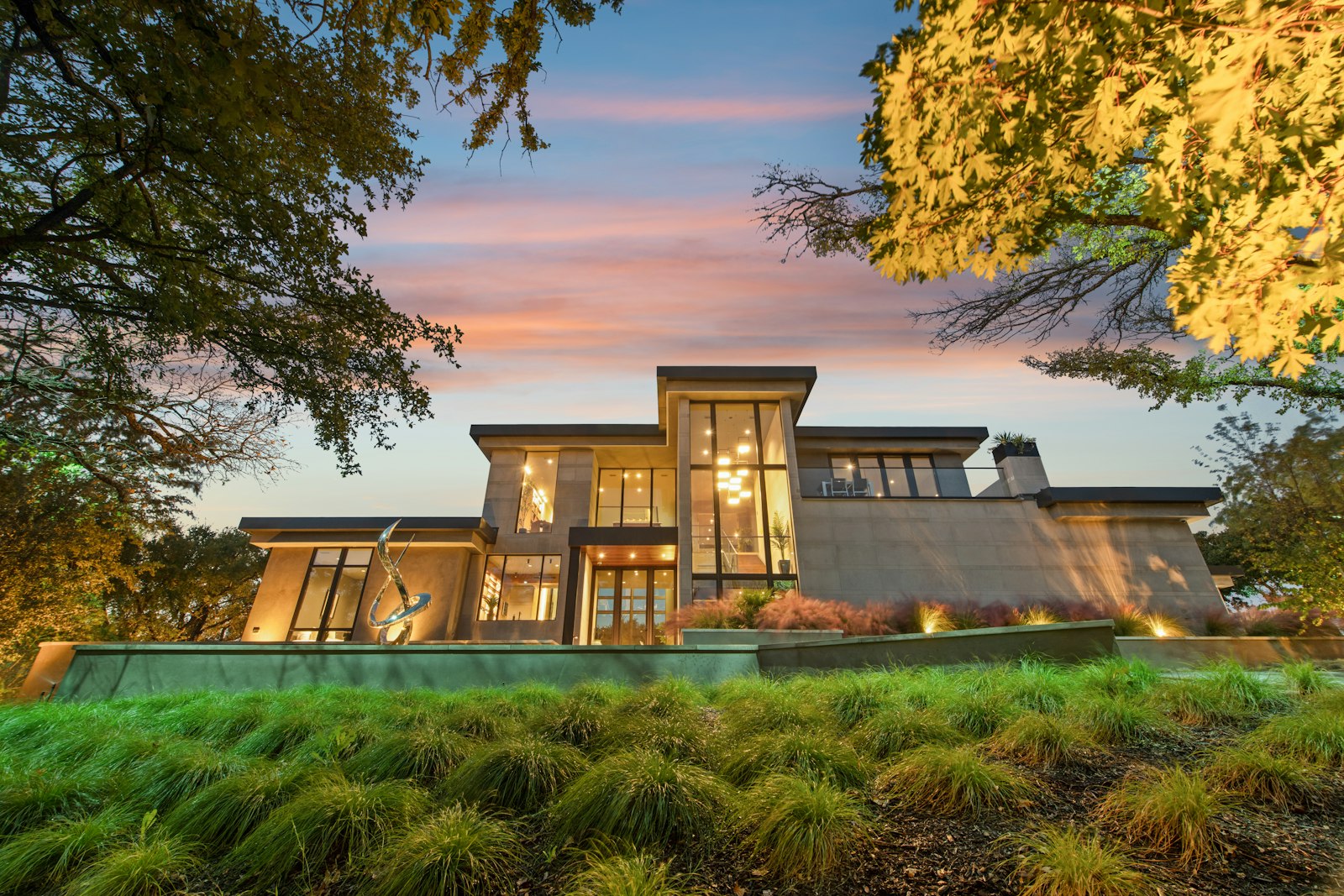
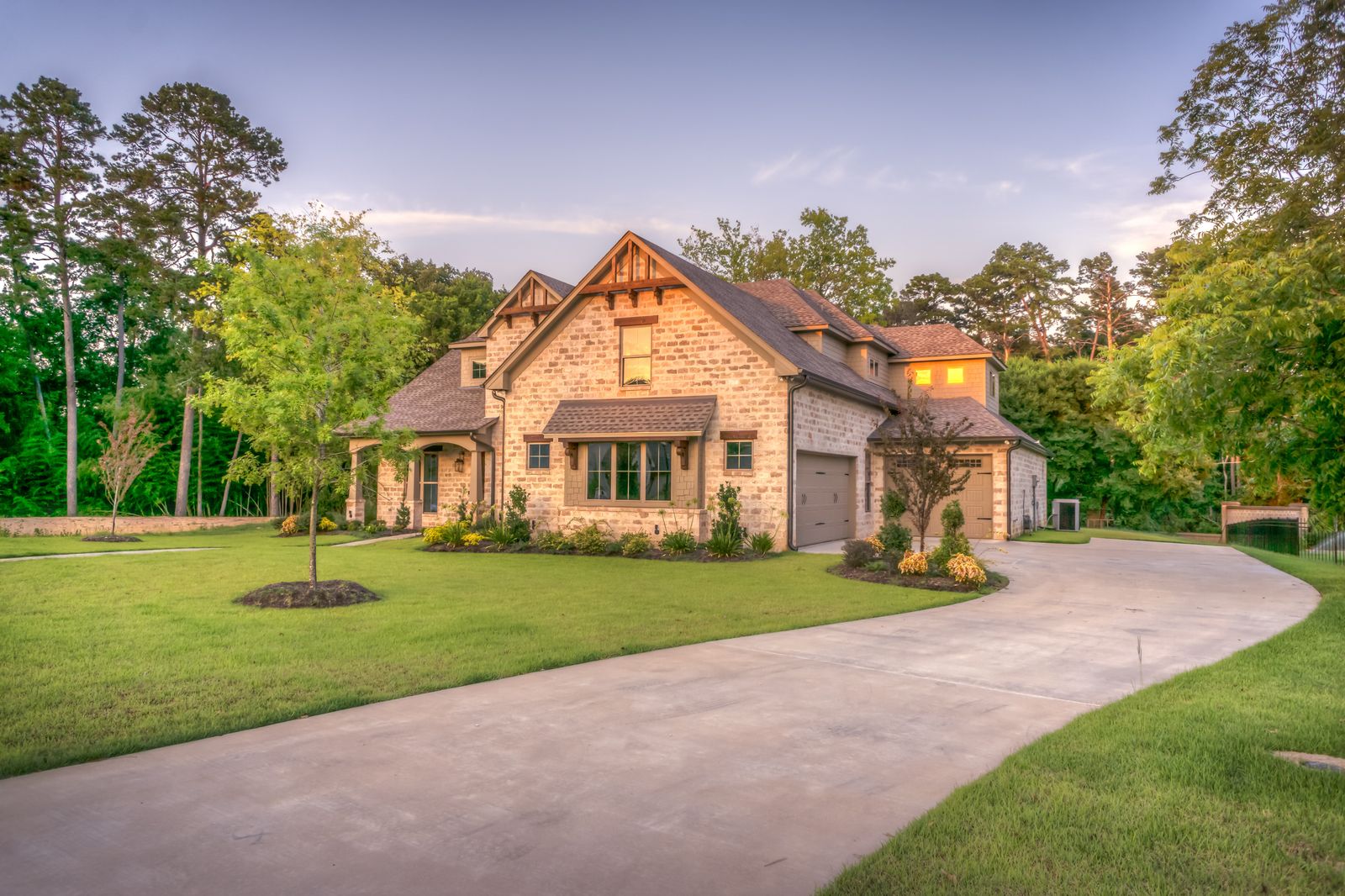
Canopy, lawn, and beds in the same evening. The fixture that flatters an open oak will flatten a dense hedge.
Light from below
Uplighting starts at grade and aims up the trunk into the crown. Too close to the bark and you get a hot stripe. Too far out and the beam can miss the canopy entirely. Those distances change with trunk diameter, beam angle, and how much of the tree you want to see.
A small tree often takes one carefully aimed light. A large, spreading crown may need more than one point of aim so it does not read as a flat disk. Two beams from different sides can give depth that a single flood cannot. Palms and other strong verticals are a different shape; they sometimes take one narrow uplight rather than a ring around the base.
Light from above
Downlighting from inside the tree—sometimes called moonlighting—sends light down through branches so the ground receives a dappled pattern. The subject is the space under the tree, not a brightly painted trunk. That only works when there is a sturdy place to mount a fixture well above the lowest limbs, and when the canopy actually filters the beam.
The two techniques can share a tree: a quiet uplight on structure, a downlight for the lawn or seating below. Using both at full output usually looks busy. On most trees, one idea should lead.

Beds, shrubs, and the plants that are not trees
A specimen shrub, a clump of ornamental grass, or one well-shaped plant near an entry can take a small, shielded accent. Lighting groundcover evenly is how a garden starts to look like a parking lot. Leaving some of the bed dark is what gives the lit plant a place to sit.
Silhouetting a distinctive plant against a quietly lit wall is often stronger than aiming a spot into the plant itself. That move only works when the outline is clear and the wall behind it is reasonably even.
Fixtures in beds have to survive irrigation, mulch, and the next round of planting. A light that cannot be found after the bed is replanted will not be aimed again.
Plants grow around the hardware
Cable should not be stapled tight to bark or cinched around a trunk. A band that cannot be loosened will cut into living wood as the tree adds girth. Stainless hardware with a stand-off, wire on the less visible side of the trunk, and an occasional backing-off as the tree grows are the durable approach. Copper or brass screws do not belong in living wood.
Mounts need clearance from the bark so the tree can add wood without swallowing the fixture. Wire along the top of a branch is where animals walk. None of that is decoration; it is how the tree stays a tree.
Sacramento seasons change the picture
Oaks, crepe myrtles, citrus, and broadleaf evergreens do not share one recipe. An open deciduous canopy in winter and a dense one in summer need aiming that still makes sense in both states—or a return visit when the leaves come back.
The first pass is simple: which trees already organize the yard, where you stand to look at them, and whether the job is the trunk, the crown, the ground beneath, or a bed. Aim at night. If the first visit was in the bare season, look again after leaf-out.
Have trees or planting you want to see after sunset?
Call +1 (916) 927-9161 or email [email protected]. A photo of the tree or bed in daylight is a useful place to start.