Landscape lighting
Landscape Lighting for Sacramento Yards
After sunset a yard is still a set of places: the front garden, the walk to the door, the side passage, the planting that sits against the house. Landscape lighting decides which of those places stay visible—and which stay dark on purpose.
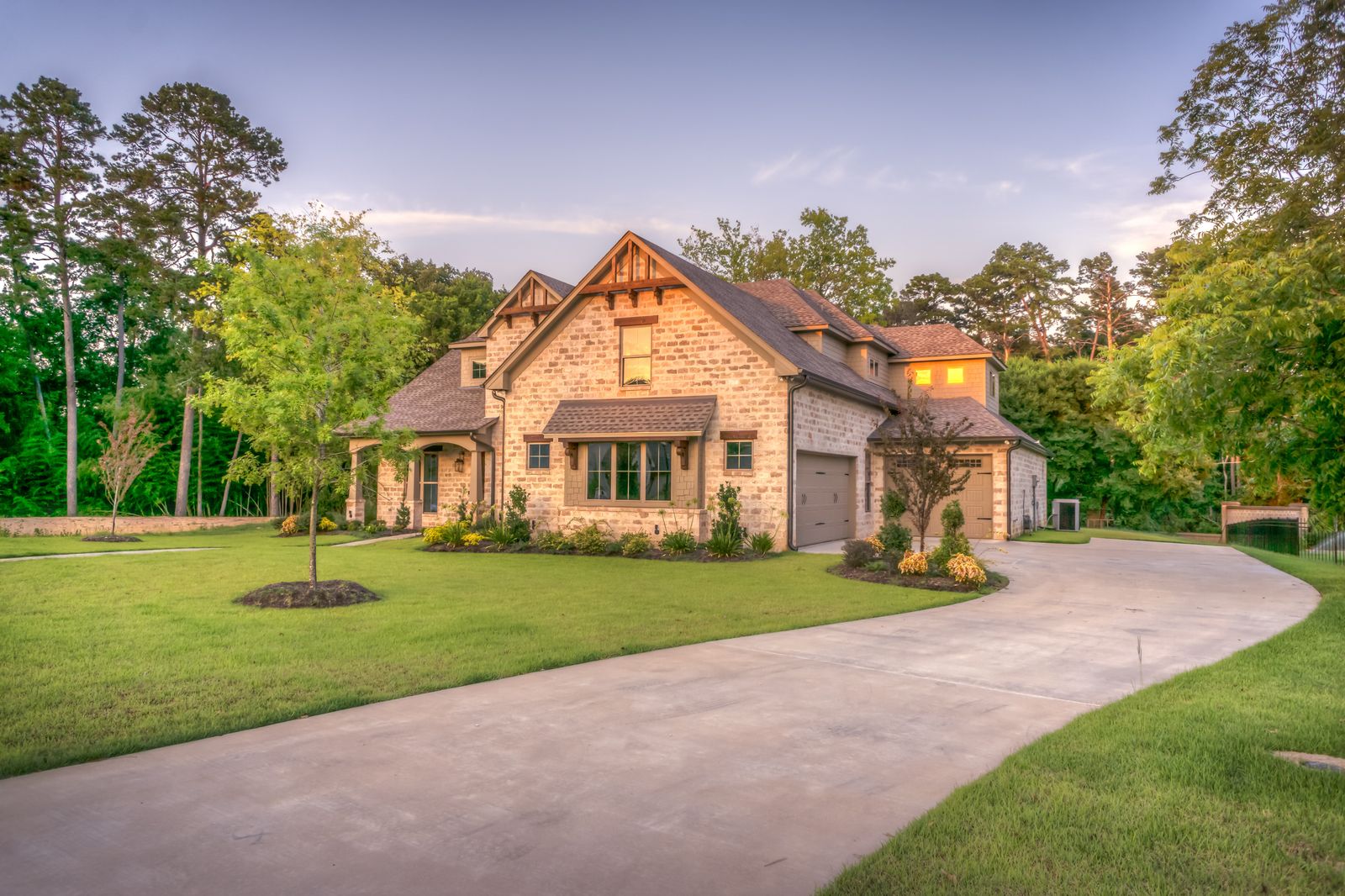
The yard as zones, not a ring of lights
A finished landscape layout is easier to understand if you walk the property the way a guest would. The front yard is usually about arrival and the first view from the street. The side yard is often about getting through—bins, a gate, a narrow walk. The back is where planting, a patio edge, and the rear wall of the house sit in one picture. Those zones share a night view, but they do not need the same brightness or the same fixture height.
If every light is the same size and the same distance from the ground, the garden starts to look like a diagram. Some light can sit low at an edge. Some can be aimed into a shrub mass that holds the middle of the view. A little can be reserved for one plant or wall that already has a clear shape. The rest of the yard can stay darker so the lit pieces have somewhere to sit.
Planting, walking, and the house have to agree
Landscape lighting is not only “plants.” A beam that flatters a bed can also glare into a bedroom, wash out the front door, or leave the walk between them as a black gap. The useful question is what you want to see from the porch, from the street, and from the room where you sit at night.
Planting that screens a fixture by day can hide it too well after a season of growth—or open up and leave a lamp in the view. Irrigation spray, mulch piled against a lens, and edging along a lawn all change how a fixture behaves. The layout has to leave a way back to each light later.
Front garden
Often the composition that faces the street: a tree, a bed against the foundation, the first few feet of walk. The house wall may already carry some light from inside. The garden should support that view, not compete with a bright strip along the sidewalk.
Circulation
Side yards and the route around the house need enough light to see a step or a gate, without turning the passage into a second front display. That work often overlaps path and step lighting, but the planting still has to hide or soften the source.
Garden against the house
Beds along a wall sit between landscape and architectural lighting. Light aimed only at foliage can leave the wall dead; light aimed only at the wall can flatten the plants. The mix depends on the material and how close the bed sits.
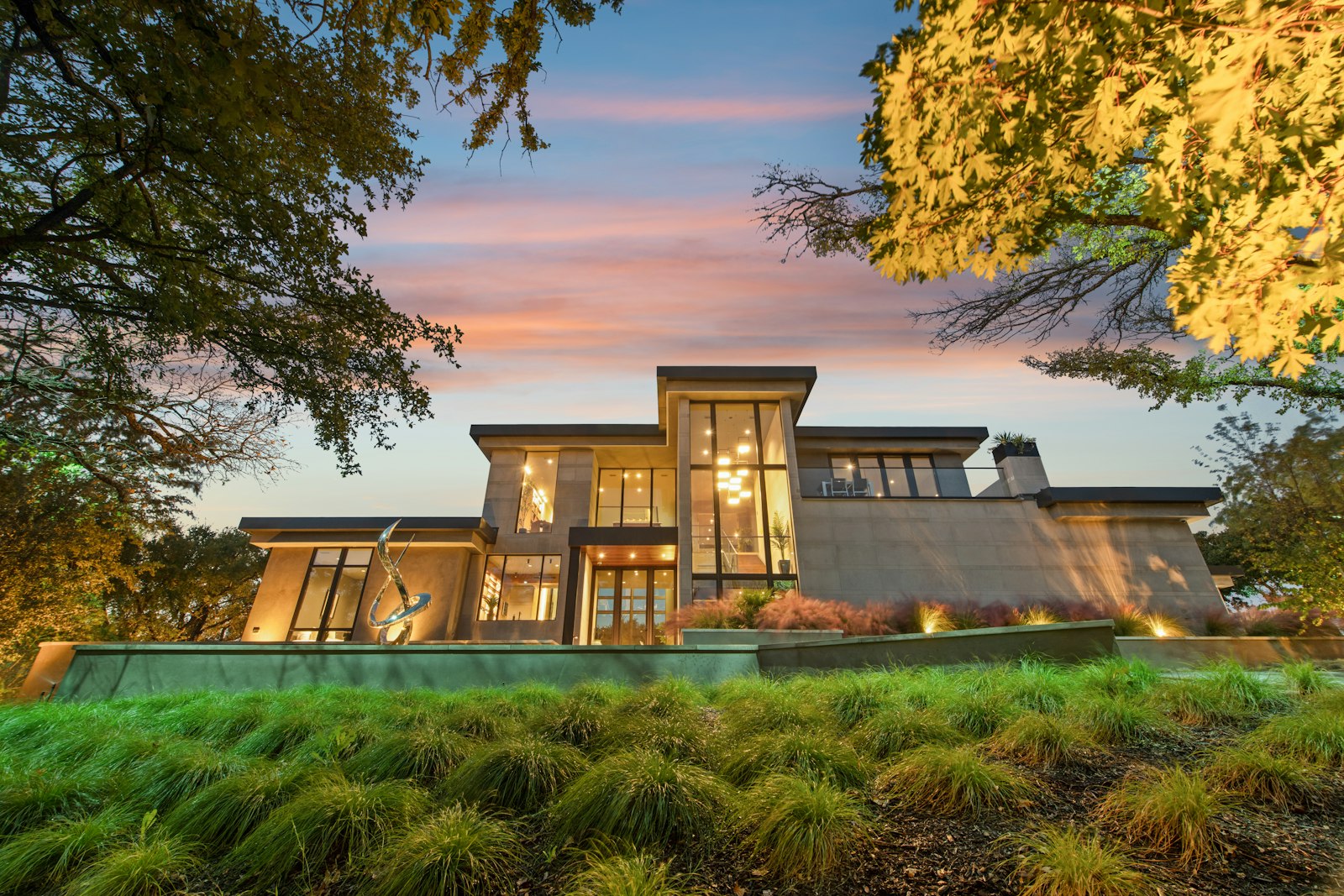
Where the light comes from
Most dedicated garden lighting is a low-voltage system. House power feeds a transformer, which steps the voltage down—often to about 12 volts at the fixtures—and cable then runs out to each light. That arrangement is common for permanently installed landscape work. It still has to be planned: a long thin cable, a transformer asked to do too much, or a wet, loose connection will show up as dim lamps, flicker, or a dead run.
Leaving some unused capacity on a transformer is ordinary field practice. It keeps the unit off its ceiling and leaves room if a later fixture is added. Exact load, cable size, and run length are decided on the property, not from a single rule of thumb.
The lamp itself should not be the brightest thing you see. Fixtures are easier to live with when they are tucked into planting, shielded, or aimed at a leaf or a stem rather than at the sidewalk. Check the same aiming from the porch, the street, and the neighboring side yard. Light that lands in someone else’s window is a poor result whether or not a local rule names it.
Sacramento yards change through the year
A deciduous canopy that is open in January can be a wall of leaves by July. A layout aimed in one season can later hit foliage instead of structure, or leave a bare trunk brighter than anyone intended. It helps to decide which plants are the bones of the garden and which are seasonal filler that will be replaced or cut back.
In-grade lights disappear by day and collect water, silt, and clippings. Stake lights are easier to reach and easier to knock out of aim when someone trims the bed. Neither type is automatically better; soil, spray from irrigation, and the viewing angle decide.
How a visit usually goes
Walk the property in daylight for structure. If lights are already installed, an evening look is more useful than a noon photograph. Mark the few things that must read after dark. Group those fixtures so a transformer can feed them without starving the last lamp on the line. Have underground utilities marked before digging—in the United States that starts with 811. Aim after dark, then look again after the first irrigation cycle. Wet lenses and shifted soil change the picture.
Want the garden to make sense after dark?
Call +1 (916) 927-9161 or email [email protected] if you want landscape lighting for a Sacramento yard—planting, walks, and the house in one view.